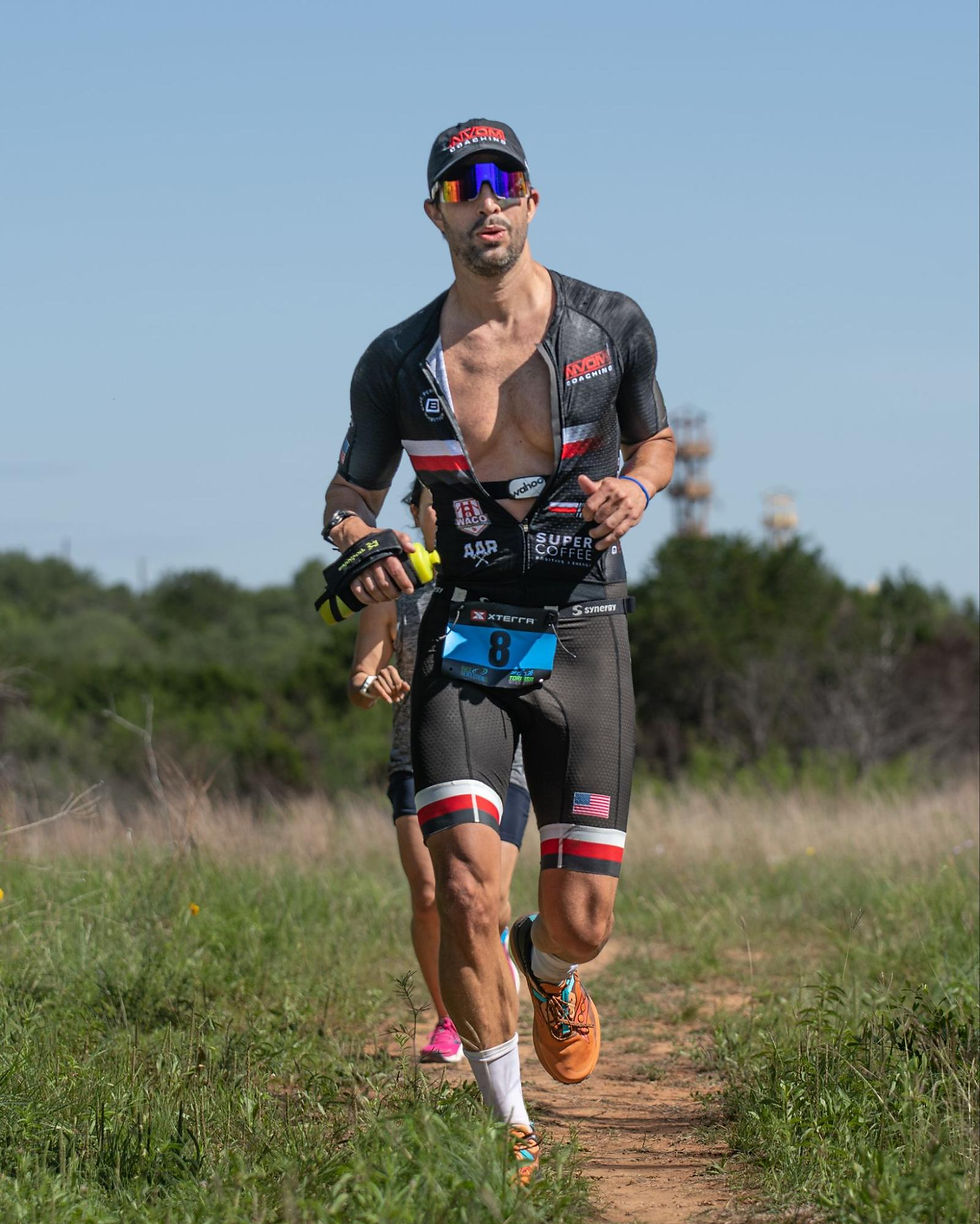
Zone 2 Training for Ironman: The Complete Science-Based Guide


Why Zone 2 Training Is the Foundation of Ironman Performance
If you strip away all the noise in endurance training, one principle remains:
Your Ironman performance is limited by your aerobic system.
And nothing develops that system more effectively than Zone 2 training.
Yet most athletes either:
Train too hard too often
Or misunderstand what Zone 2 actually is
The result is predictable: plateaued fitness, poor race execution, and unnecessary fatigue.
This guide breaks down exactly what Zone 2 is, why it works, and how to apply it to Ironman training.
What Is Zone 2 Training (Really)?
The Simple Definition
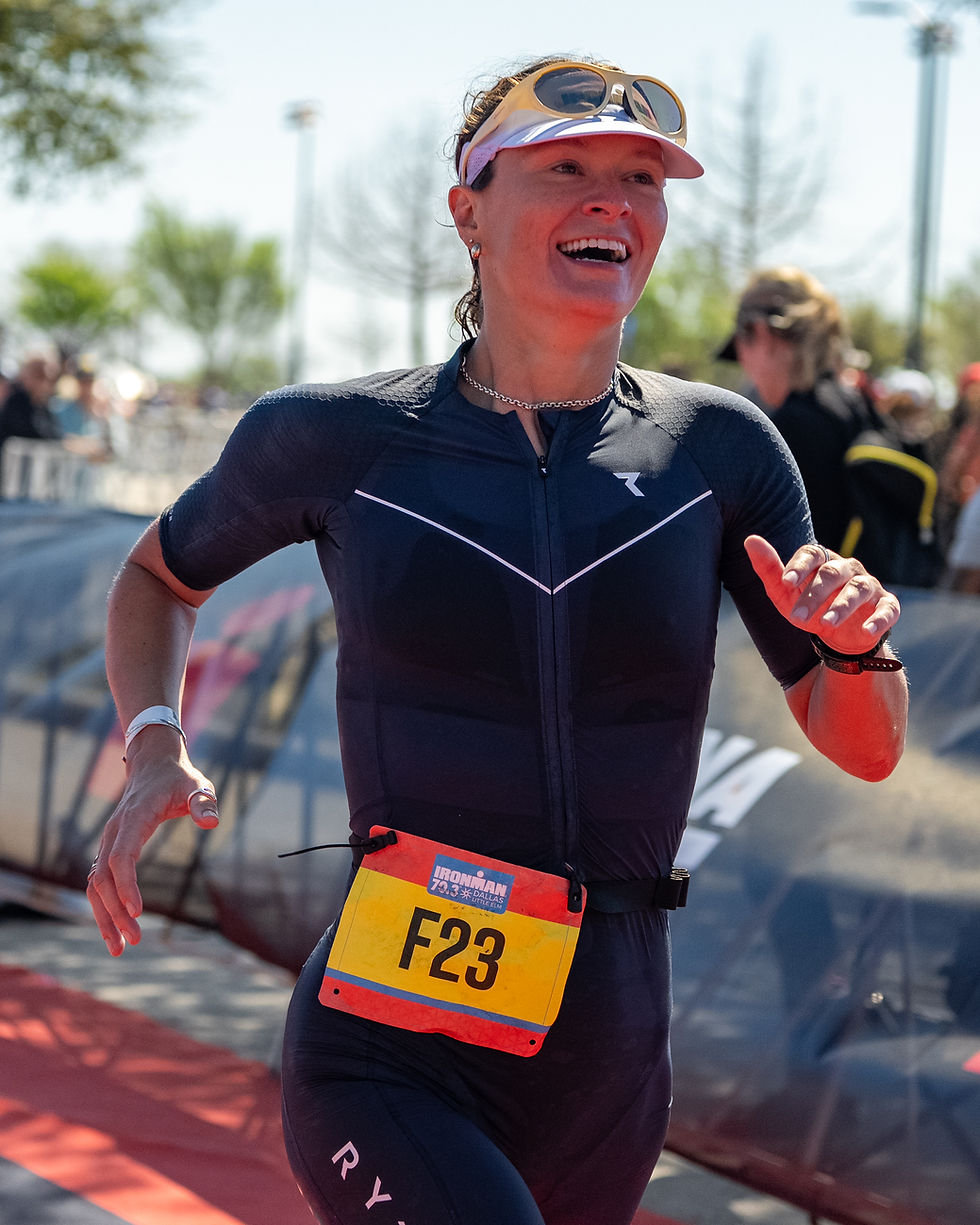
Zone 2 is a low-to-moderate intensity effort where:
You can sustain conversation
Lactate remains stable
Fat is the primary fuel source
The Scientific Definition
Zone 2 sits just below your first lactate threshold (LT1):
Blood lactate ~1.5–2.0 mmol/L
Minimal metabolic disruption
High reliance on oxidative metabolism
This aligns with principles supported by the American College of Sports Medicine.
Why Zone 2 Matters for Ironman
Mitochondrial Development
Zone 2 training increases:
Mitochondrial density
Mitochondrial efficiency
These are the engines that produce aerobic energy.
More mitochondria means more sustainable power over 140.6 miles.
Improved Fat Oxidation
Ironman is not a glycogen race. It is a fuel management race.
Zone 2 training:
Increases fat utilization
Spares glycogen
Delays fatigue
This is one of the biggest separators between athletes who finish strong and those who fade late.
Aerobic Durability
This is what most athletes miss.
Zone 2 builds your ability to:
Hold steady output for hours
Resist cardiac drift
Maintain form under fatigue
That’s what actually determines your race-day outcome.
The Biggest Zone 2 Mistake
Most athletes are not doing Zone 2.
They are doing Zone 3 disguised as Zone 2.
What this looks like:
Slightly too hard
Breathing elevated
Feels productive
But physiologically:
Higher lactate
Reduced fat oxidation
Increased recovery cost
This is the intensity that stalls long-course development.
How to Find Your Zone 2
Heart Rate (Most Practical)

~65–75% of max HR
Or just below aerobic threshold
Talk Test
You should be able to:
Speak in full sentences
Without strain
Lab Testing (Gold Standard)
Lactate or gas exchange testing gives precise values, but most athletes can get very close using heart rate and perceived effort.
How Much Zone 2 Do Ironman Athletes Need?
For most long-course athletes:
70–85% of total training volume should be in Zone 2.
This aligns with endurance models supported by the International Olympic Committee.
How to Structure Zone 2 Training
Weekly Framework Example
Long Ride: 3–5 hours (Zone 2)
Long Run: 60–120 minutes (Zone 2)
Easy sessions: majority of remaining volume
Higher intensity is layered in strategically—but never replaces the aerobic base.
What Zone 2 Should Feel Like
Zone 2 should feel:
Controlled
Almost too easy early
Sustainable for hours
If it feels:
Challenging
Or mentally stimulating
…it is likely too hard.
When Zone 2 Starts Working
You’ll know it’s working when:
Heart rate drops at the same pace or power
Pace improves at the same effort
Long sessions feel more stable
Recovery between sessions improves
These are signs of real adaptation—not just accumulated fatigue.
How Zone 2 Fits Into a Full Ironman Plan
Zone 2 is not everything, but it is the foundation everything else sits on.

You layer on top of it:
Race pace work
Threshold intervals
Brick sessions
Without a strong Zone 2 base, none of those deliver their full benefit.
The Bottom Line
Zone 2 training is not:
Junk miles
Beginner training
It is the most powerful tool you have to improve Ironman performance.
When executed correctly, it builds:
Aerobic capacity
Fuel efficiency
Race-day durability
Take the Guesswork Out of Your Training
If you’re not sure whether your Zone 2 is dialed in—or your training is actually aligned with Ironman performance:
We’ll help you:
Precisely define your training zones
Structure your program around real physiology
Build a plan that translates to race-day results
No guesswork. No wasted training. Just progress that shows up on race day.